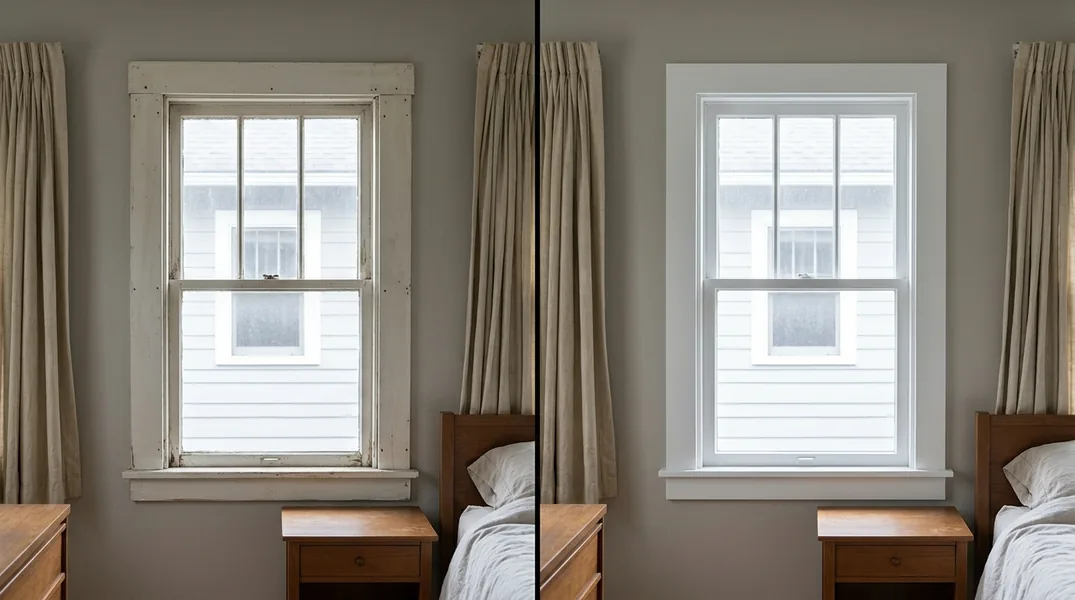
Why North End Craftsman and Stadium District Victorians Need Special Care
If you own a home in Tacoma's North End or Stadium District, you live in one of the Pacific Northwest's most architecturally significant neighborhoods. These Craftsman bungalows and Victorian mansions were built between the 1890s and 1920s, and they represent genuine craftsmanship and character that modern homes simply cannot replicate. The original millwork, built-in cabinetry, wide plank floors, and solid wood framing are irreplaceable assets.
However, owning a historic home comes with a reality check: these structures were built over a century ago, and the wood that gives them charm is also their greatest vulnerability. The Pacific Northwest's wet climate, combined with age and decades of wear, creates the perfect storm for wood deterioration. Unlike newer homes built with pressure-treated lumber and modern moisture barriers, historic Tacoma homes rely on solid wood siding, dimensional timbers, and foundation systems that require vigilant maintenance. Understanding these vulnerabilities is the first step toward preserving your home's integrity and value.
Understanding Wood Rot, Dry Rot, and Why Both Threaten Your Home
Wood Rot & Dry Rot Repair is one of the most critical services for historic homeowners because these two conditions are often misunderstood and frequently go undetected until serious structural damage occurs. Wet rot, commonly called wood rot, develops when wood is exposed to prolonged moisture and remains damp. The fungus feeds on the cellulose in the wood, breaking down its structural integrity. You'll typically see soft, spongy wood that darkens and may smell musty. Dry rot, despite its name, also requires moisture to start but can spread rapidly through dry wood, making it particularly dangerous in older homes where ventilation is poor and moisture accumulates invisibly behind walls and under floors.
The distinction matters because treatment approaches differ. Wet rot usually requires addressing the moisture source first, then removing and replacing affected wood. Dry rot, however, can spread aggressively and requires more aggressive remediation, including removal of affected wood, treatment of surrounding timber, and improved ventilation to prevent recurrence. Both conditions thrive in the damp Pacific Northwest climate, and both are common in historic homes where original caulking has failed, gutters are clogged, or foundation drainage is inadequate. If you notice soft spots in your wood siding repair, spongy subfloors, or a musty smell in your basement or crawlspace, you need a professional assessment immediately.
Craftsman Built-Ins Restoration: Preserving Original Millwork
One of the defining features of Craftsman homes in Tacoma is their original built-in cabinetry, window seats, and decorative millwork. These are not just functional elements; they are irreplaceable architectural details that define the home's character and significantly impact its value. Unfortunately, built-ins are particularly vulnerable to moisture damage because they're often built into exterior walls, around windows, or in bathrooms where humidity is high. Water intrusion through failed caulking, compromised window frames, or roof leaks can cause the wood to swell, warp, and eventually rot.
Restoring craftsman built-ins requires a specialized approach that goes beyond simple repair. A skilled carpenter must assess whether the damage is cosmetic or structural, determine if the original finish can be preserved, and decide whether sections need to be replaced or the entire unit restored. Many homeowners are surprised to learn that their built-ins can often be saved through careful remediation, proper moisture control, and expert restoration work. This is not a DIY project; it requires someone who understands historic preservation techniques and can work with original materials and finishes. If you have concerns about your home's built-ins, contact Tacoma Carpentry for a detailed evaluation.
Wood Siding Repair: The First Line of Defense Against Moisture
Wood siding repair is often the most visible maintenance need for historic homes, but many owners don't realize that failing siding is not just a cosmetic issue. It's a critical barrier against moisture infiltration. Original wood siding on Craftsman and Victorian homes was typically installed with minimal gaps and protected by regular paint or stain. Over time, paint fails, wood shrinks and swells with seasonal moisture changes, and gaps develop. Once water gets behind the siding, it can travel into the wall cavity, saturate the sheathing and framing, and create conditions perfect for rot and dry rot development.
The challenge with wood siding repair on historic homes is that you cannot simply replace siding with modern materials without compromising the home's architectural integrity and potentially its historic designation. Many neighborhoods in Tacoma have strict design guidelines that require replacement siding to match original profiles, dimensions, and materials. This means finding period-appropriate lumber, often from specialty mills, and using traditional installation techniques. Proper repair also requires addressing the underlying cause of failure, whether that's failed caulking, poor flashing, or inadequate drainage. A comprehensive siding repair project protects not just the exterior appearance but the entire structural integrity of your home.
Structural Concerns: When Rot Affects Floors, Joists, and Foundations
When wood rot or dry rot progresses beyond surface-level damage, it threatens the structural systems that hold your home together. Floor Joist & Subfloor Repair becomes necessary when decay reaches the horizontal support beams that carry the weight of your home. Historic homes often have crawlspaces or basements with minimal ventilation, creating ideal conditions for fungal growth. You might not notice floor joist damage until you feel soft spots in your flooring, notice sagging or bouncy floors, or see visible mold in the crawlspace. By that point, the damage has often progressed significantly.
Severe structural damage sometimes requires Beam Replacement & Load-Bearing Wall Removal to restore the home's integrity. This is not a project for general contractors; it requires structural engineering, proper temporary support systems, and expert carpentry. The cost and complexity can be substantial, which is exactly why early detection and prevention are so important. A professional inspection of your crawlspace, basement, and foundation area should be part of your annual home maintenance routine, especially in older homes where these systems are often overlooked.
Creating a Maintenance Plan: Your Best Defense Against Wood Deterioration
The honest truth about owning a historic home in Tacoma is that prevention is far less expensive and disruptive than repair. A proactive maintenance plan should include regular inspections of all exterior wood, especially siding, trim, window frames, and fascia boards. Check caulking around windows and doors annually, and recaulk as needed. Keep gutters clean and ensure downspouts direct water at least four to six feet away from the foundation. Maintain proper grading around the home so water drains away from the structure. Inspect your crawlspace or basement at least twice a year, looking for signs of moisture, mold, or soft wood. Ensure proper ventilation in bathrooms and kitchens, and consider a dehumidifier in damp areas.
Beyond these basic maintenance tasks, schedule a professional inspection every three to five years, or immediately if you notice any signs of moisture damage, soft wood, or musty odors. A trained eye can identify early-stage rot that you might miss, and catching problems at this stage can save thousands of dollars in repairs. Tacoma Carpentry specializes in historic home assessment and can provide detailed recommendations tailored to your specific home's age, condition, and vulnerabilities. Call us at (253) 498-6752 or request a free estimate to discuss your home's maintenance needs. Your Craftsman bungalow or Victorian mansion is worth the investment in proper care.
Looking for a professional carpentry contractor in Tacoma? Tacoma Carpentry responds fast for all your carpentry needs.
Get a Free QuoteOur services: Wood Rot & Dry Rot Repair · Termite Damage Repair · Floor Joist & Subfloor Repair